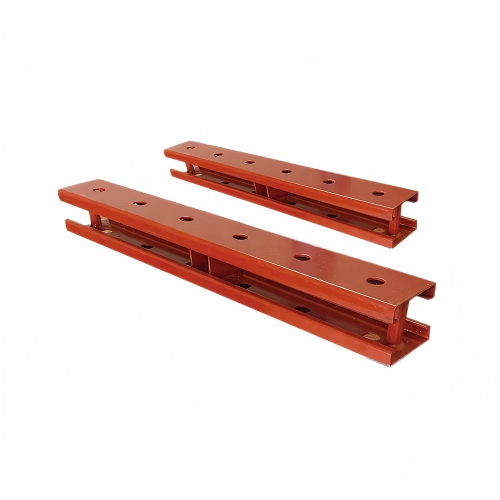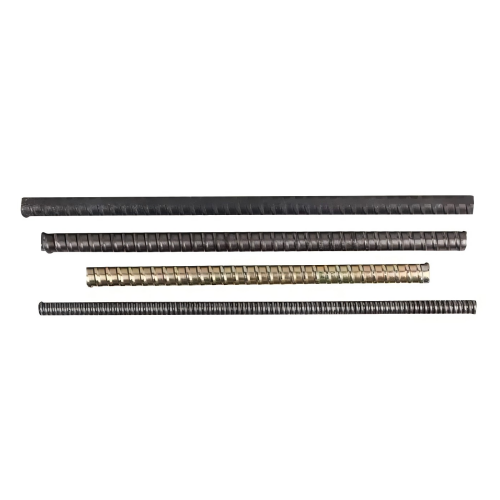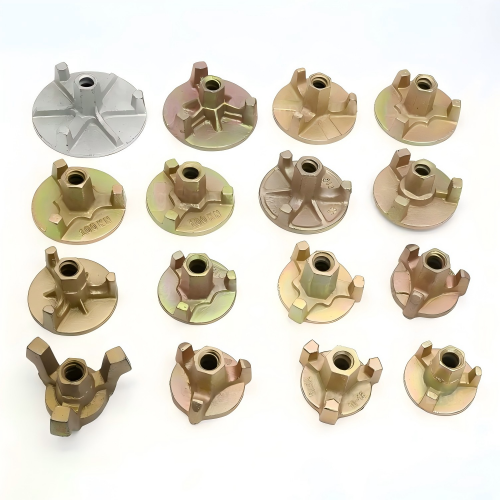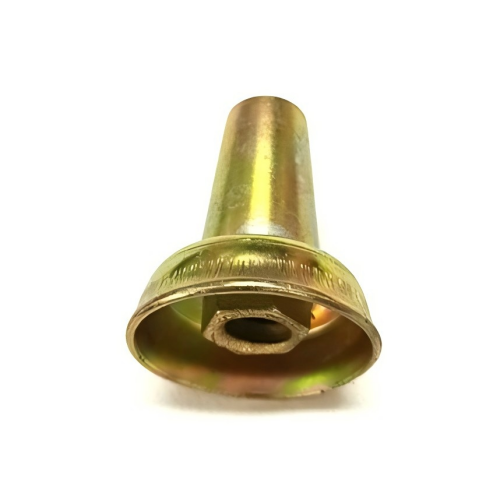
Construction crews rely heavily on tie rod systems to keep formwork stable and properly aligned. The system consists of several key components:
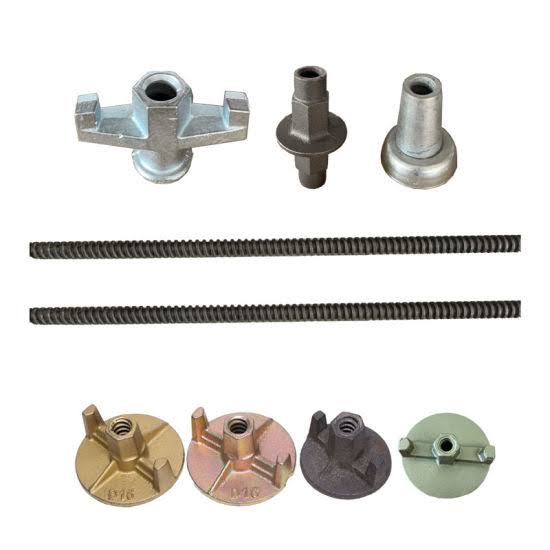
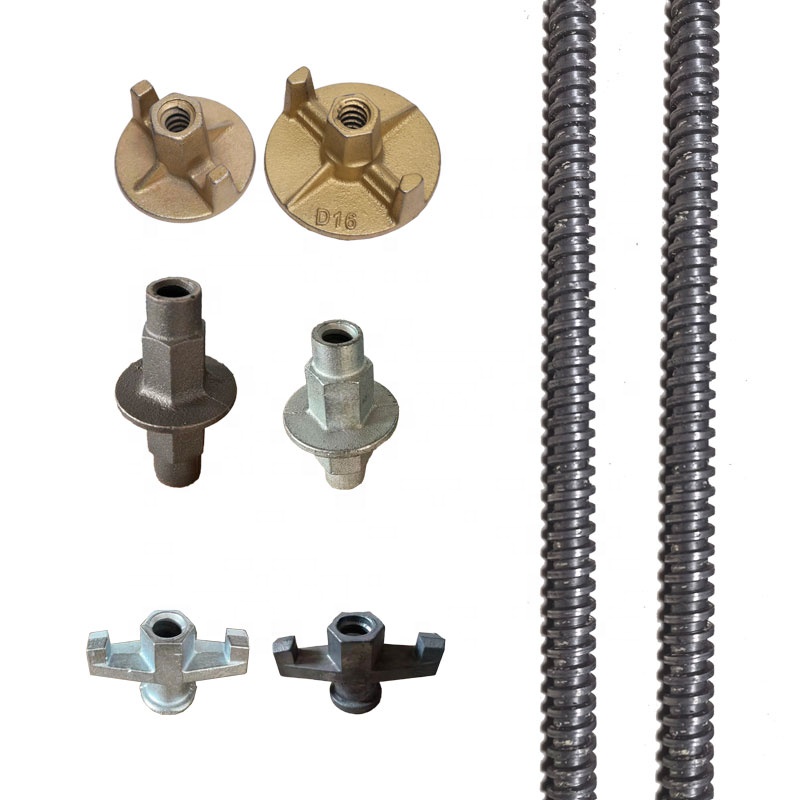
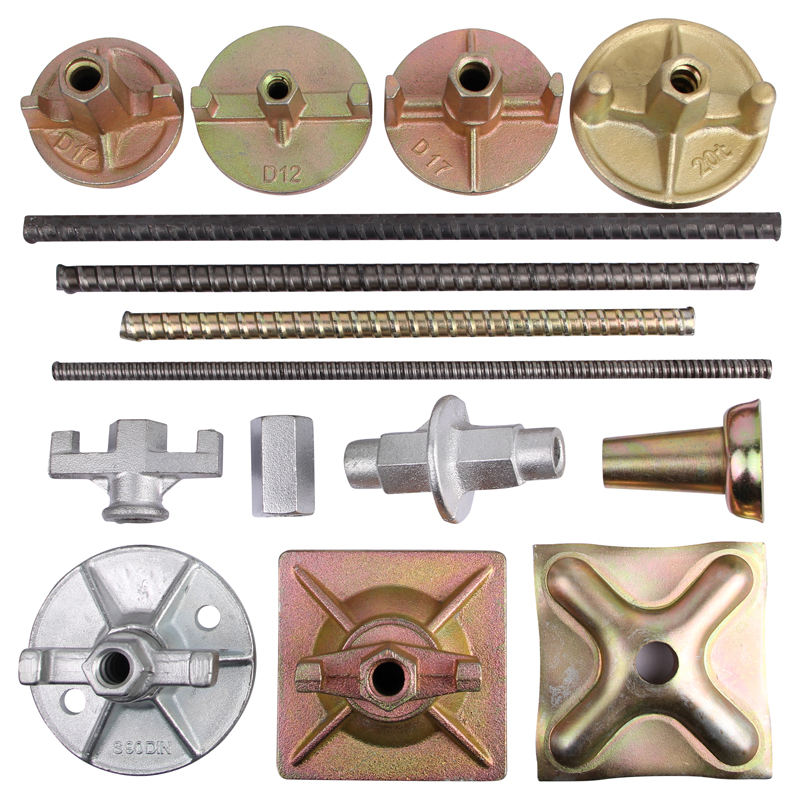
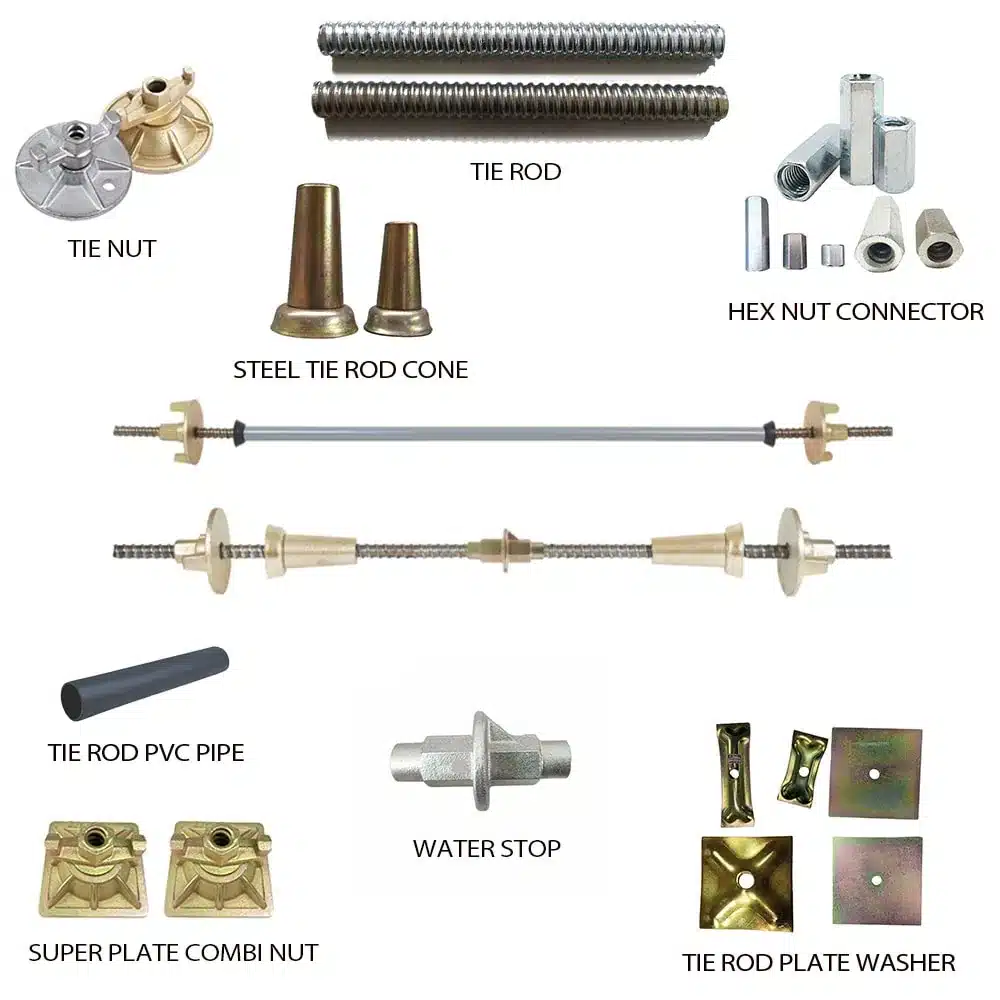
Tie Rod: Forms the backbone of the system, delivering tensile strength and linking other components
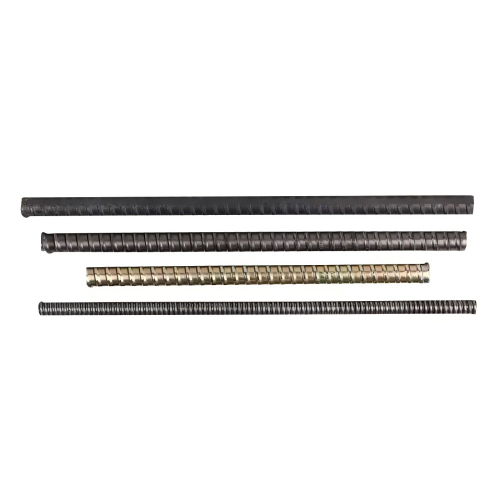
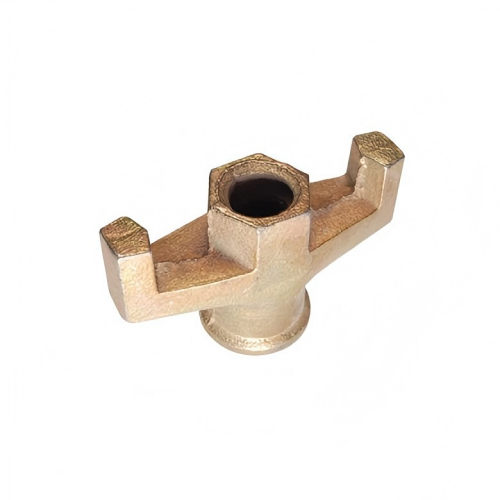
Tie Nut: Handles the crucial task of securing and tightening the assembly
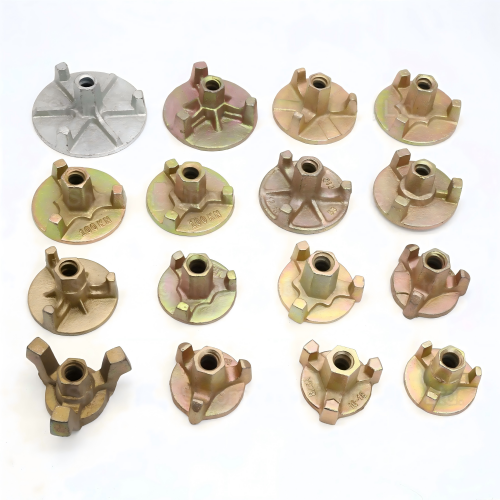
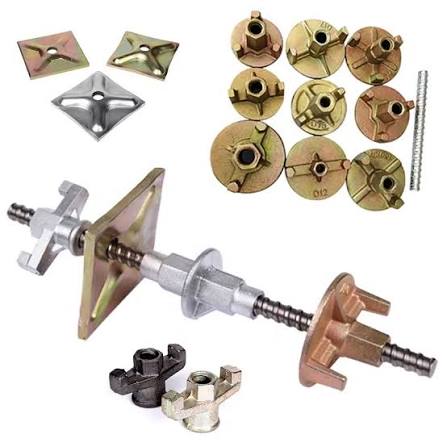
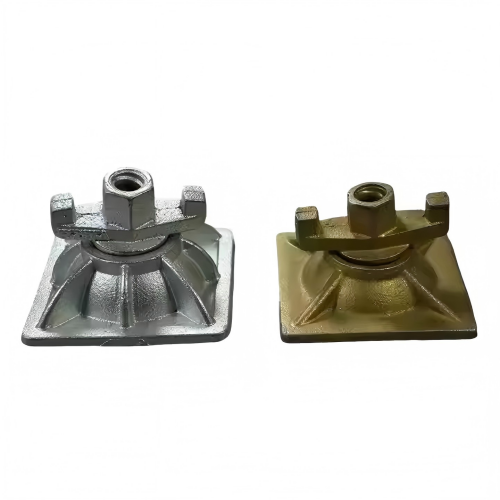
Super Plate Combi Nut: Works to spread loads more evenly across the structure
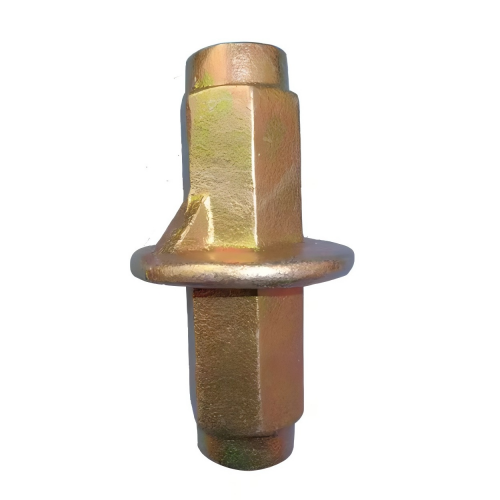
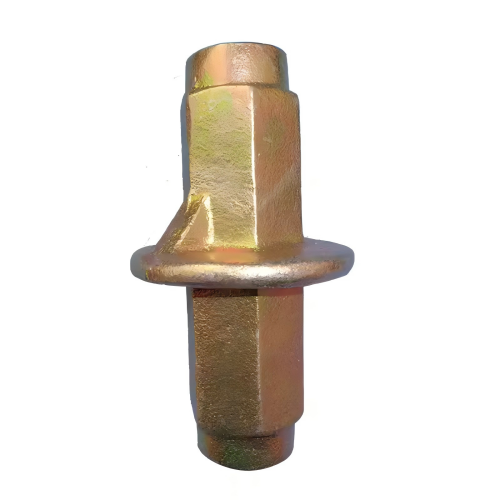
Water Stop Nut: Keeps water from seeping into concrete structures
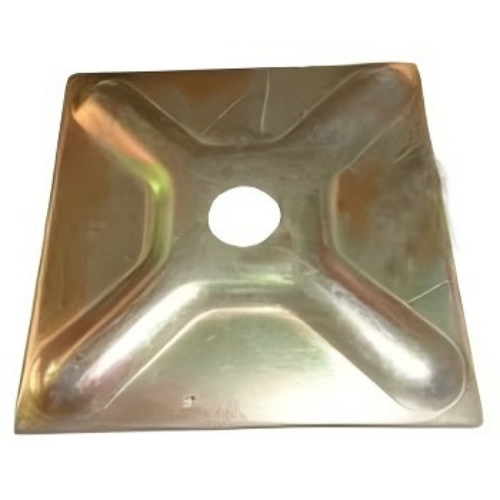
Tie Rod Washer Plate: Ensures components remain firmly fastened
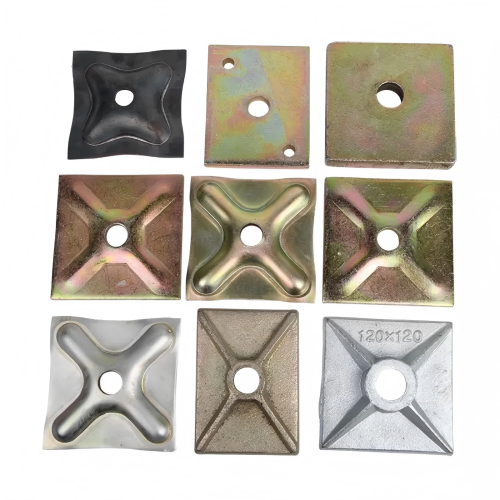
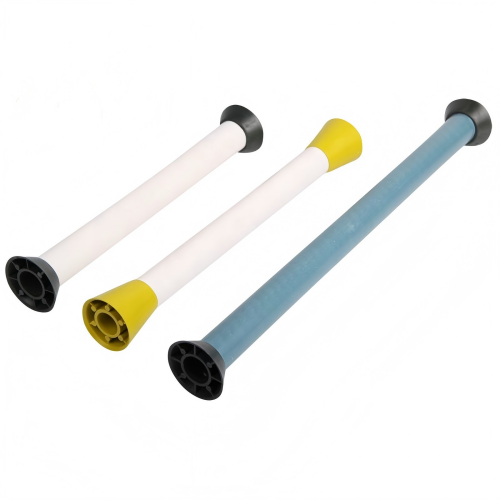
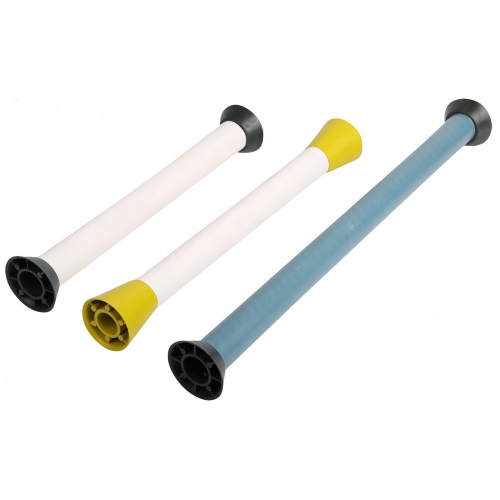
Tie Rod PVC Pipe: Serves as both sleeve and alignment guide
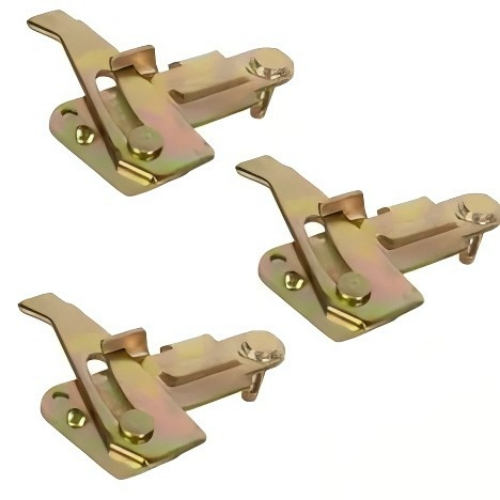
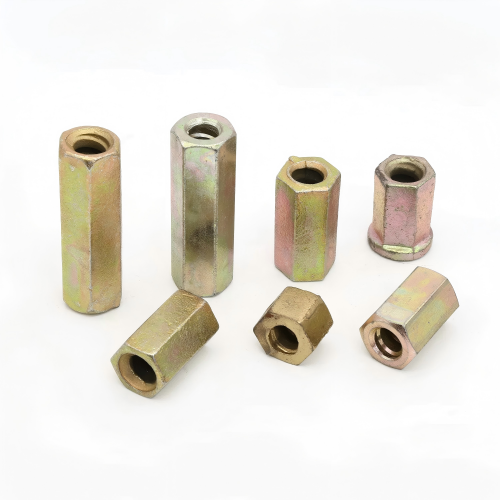
Tie Rod Hex Nut/Tie Rod Connector: Makes assembly and breakdown more efficient
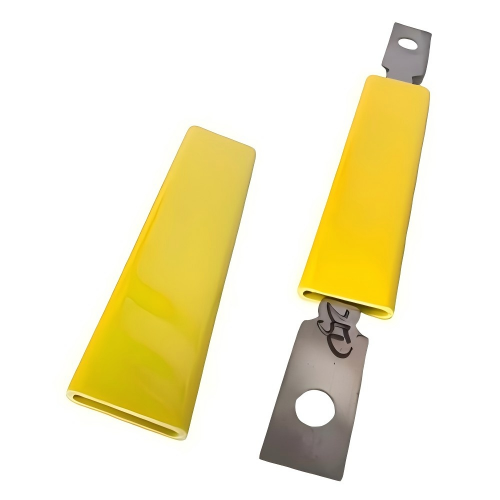
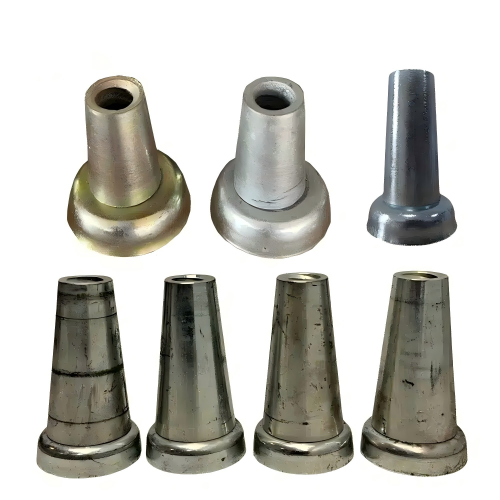
Tie Rod Steel Cone: Maintains precise positioning while protecting the structure
What Does the Tie Rod Do?
At its core, a tie rod provides essential tensile strength and structural support. By connecting the various sections of formwork, it ensures all components remain properly aligned during concrete pouring. Capable of withstanding both tensile and compressive forces, the tie rod is an indispensable component for constructing solid frameworks in buildings, bridges, and similar civil structures.
These components do more than just provide strength,they help engineers achieve precise formwork alignment. By keeping concrete molds true to shape until the material sets, tie rods prevent distortion and ensure consistent results. This reliability has made them fundamental to modern construction methods.
How Tie Rod Systems Work?
The operation of tie rod systems revolves around their ability to handle tensile forces through their connected parts. Here’s how they function:
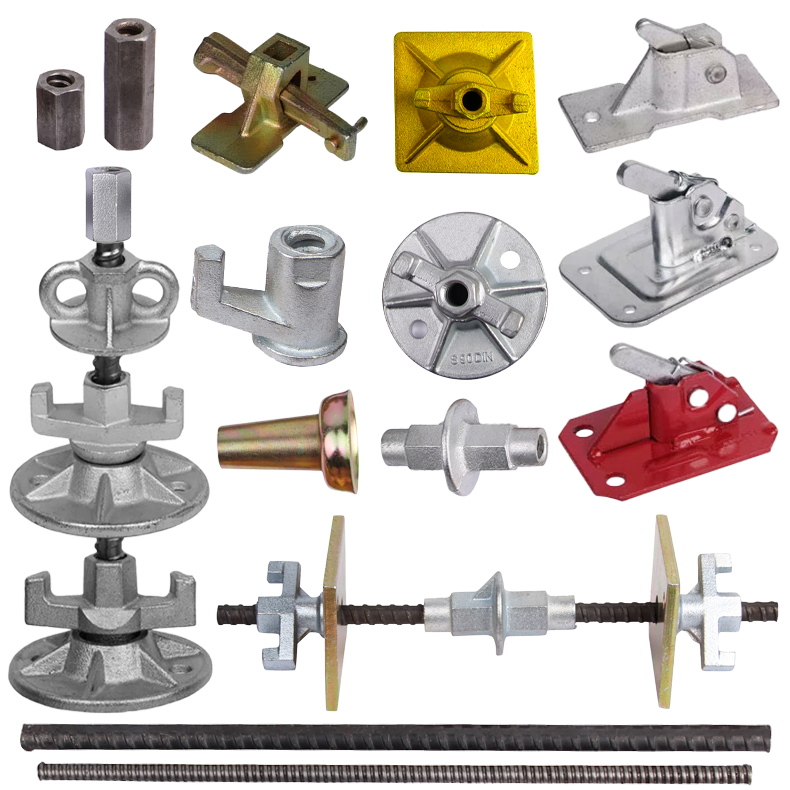
Setup: Workers thread the tie rod through formwork panels to establish proper alignment
Fastening: The crew secures tie nuts and combi nuts at both ends to lock everything in place
Load Distribution: Super plates and washers work together to spread forces evenly
Protection: Water stops and PVC pipes keep moisture out while maintaining alignment
Removal: Once concrete hardens, components like hex nut connectors allow for clean removal without damaging the formwork
Materials Used in Tie Rod Systems
Most tie rod systems use high-strength steel, chosen for its durability and resistance to forces. Depending on the job, builders might opt for galvanized or stainless steel when dealing with corrosive environments. These material choices ensure the system keeps performing reliably even in tough conditions.
Applications of Tie Rod Systems
The versatility of tie rod systems makes them valuable across many construction scenarios. Common uses include:
Keeping formwork secure for walls, slabs, and columns
Supporting temporary structures during bridge and dam construction
Adding tensile support to scaffolding and shoring
Maintaining alignment in retaining walls and foundation excavations
Advantages of Using Tie Rod Systems
These systems offer numerous benefits:
Strength and Stability: Reliable tensile support for demanding applications
Ease of Use: Components designed with quick assembly and removal in mind
Versatility: Adaptable to many different construction scenarios
Durability: Quality materials ensure long-lasting performance
Cost-Effectiveness: Reusable parts help keep project costs down
Design Considerations for Tie Rod Systems
Engineers need to weigh several factors when designing these systems:
Load Capacity: Making sure the system can handle expected stresses
Alignment: Getting positioning exactly right for best results
Material Selection: Choosing materials suited to environmental conditions
Safety Measures: Building in protection against water and corrosion
Innovations in Tie Rod Systems
Recent developments have delivered key improvements including self-locking nuts, enhanced corrosion protection, and modular designs. These advances have made these systems more functional and easier to maintain, while enabling them to meet the evolving needs of the construction industry.
Maintaining Tie Rod Systems
Regular maintenance helps extend the service life of tie rod systems. This involves inspecting for wear, rust, and alignment issues before they lead to functional failures. Appropriate cleaning and proper storage also help preserve components over the long term.
Challenges in Using Tie Rod Systems
While highly effective, these systems do present some challenges:
Installation Complexity: Proper setup requires experienced workers
Corrosion Risk: Moisture exposure can damage components over time
Cost Implications: Quality components require significant upfront investment
Construction teams address these issues through training, protective measures, and careful cost planning.
Comparing Tie Rod Systems to Alternatives
Compared to other solutions such as threaded rods or welded connections, tie rod systems distinguish themselves by their exceptional combination of strength, flexibility, and reusability. Although alternative methods may suffice for certain applications, tie rod systems generally deliver greater versatility and simpler operation.
Future Trends in Tie Rod Systems
Looking ahead, we are observing growing momentum toward the adoption of sustainable materials, smart monitoring systems, and deeper integration with digital design tools. All these developments are designed to improve operational efficiency while minimizing overall environmental impact.
Conclusion
Tie rod systems remain essential to modern construction, delivering exceptional strength, precision, and adaptability. Construction professionals who understand these systems’ components, functions, and applications can achieve better results in their projects. As technology continues advancing, tie rod systems will keep evolving while maintaining their crucial role in creating safe, lasting structures.

Delivery is prompt!

By 10-year industry experts!

Diverse payment methods available!

Unbeatable cost performance!